About the author
Published February 4, 2026 · Last reviewed April 26, 2026 · 16 min read
In this article · 6 sections
That wired, on-edge feeling you can't seem to shake? It's not just "in your head." It’s a very real, physical response driven by cortisol, your body's main stress hormone.
Think of cortisol as your built-in alarm system. It’s produced by your adrenal glands to give you a jolt of energy and focus when you’re facing a genuine threat—like, say, a tiger in the wild. In those moments, it’s a lifesaver.
But in our world, the "tigers" are more likely to be back-to-back meetings, a mountain of emails, or that nagging worry about bills. Your body doesn’t know the difference between a real physical danger and the chronic mental stress of modern life.
The problem is, the alarm gets stuck in the “on” position. This leads to persistently high cortisol levels, and that’s where the trouble begins.
The Real-World Impact of Chronic Stress
When your cortisol is constantly elevated, your body starts pulling resources away from things it considers non-essential for immediate survival, like digestion, immunity, and even clear thinking. Over time, this state of high alert can do some serious damage.
- Brain Fog and Burnout: Trouble concentrating? Can't remember what you walked into a room for? High cortisol can scramble your brain's ability to function, making simple tasks feel monumental.
- Physical Wear and Tear: You might notice you're getting sick more often, struggling with headaches, or dealing with constant digestive issues. That's your immune system waving a white flag.
- Emotional Volatility: High cortisol is closely tied to increased anxiety, a short fuse, and even feelings of depression. It throws your entire emotional landscape out of balance.
It's a frustrating, self-feeding cycle. Stress raises cortisol, which tanks your sleep quality. Poor sleep then causes your cortisol to spike even higher the next day. This is why you need practical tools to break the loop.
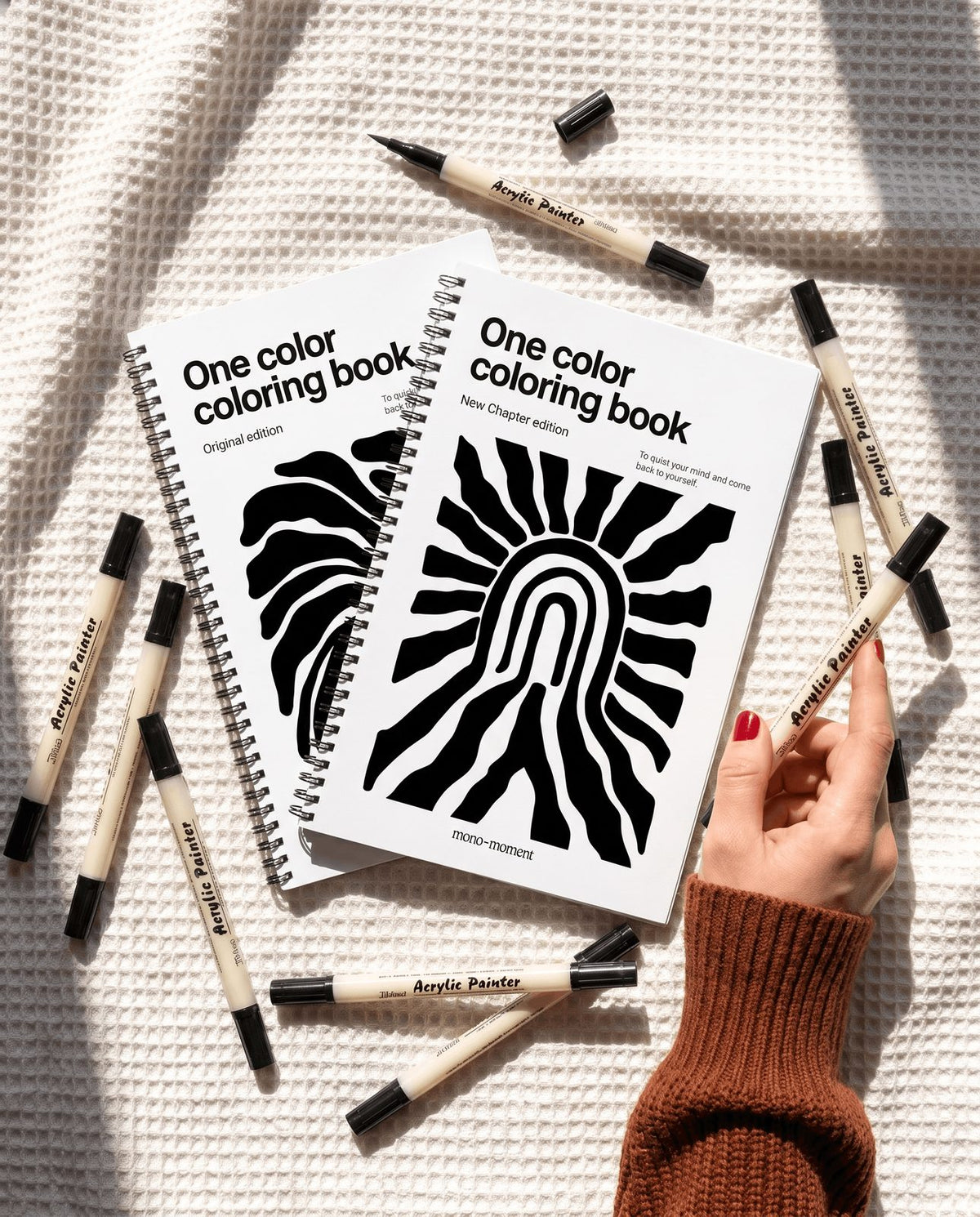
This guide is all about giving you those tools—simple, actionable ways to hit the reset button. We'll cover quick interventions for immediate relief and introduce a powerful strategy for overthinkers: the Mono Moment monochrome coloring book. This isn't just about creativity; it’s a structured, decision-free ritual designed to quiet your mind when you're battling the classic signs of cognitive overload symptoms.
Let's get you from overwhelmed back to in control.
Your 5-Minute Reset for Immediate Stress Relief
When stress hits hard and fast, you need something that works right now. Think about that jolt of anxiety after a tense meeting or the wave of dread that washes over you before a tough phone call. You don’t have time for a yoga class; you need to know how to lower cortisol fast, wherever you are.
This is your toolkit for hitting the emergency brake on stress. These are all things I've used myself and recommended countless times because they directly signal your nervous system to stand down. They can pull you out of that fight-or-flight spiral in five minutes or less.
Master Your Breath to Master Your Stress
Your breath is like a remote control for your nervous system. Notice how it gets shallow and quick when you're stressed? Intentionally slowing it down sends a powerful, non-negotiable message to your brain: the immediate danger is over.
Two of the most effective methods I’ve found are the physiological sigh and box breathing.
-
Physiological Sigh: This is my go-to for instant relief. Take a deep inhale through your nose, and then, right at the top, take another short, sharp sip of air to fully expand your lungs. Now, let it all go with a long, slow exhale through your mouth. Just one or two of these can bring you back down by quickly offloading carbon dioxide and stimulating your vagus nerve.
-
Box Breathing: A favorite of Navy SEALs for a reason. Inhale for a count of four, hold your breath for four, exhale for four, and hold again for four. The simple, rhythmic pattern forces your mind to focus and physically slows your heart rate. It’s incredibly stabilizing.
These aren't just mental tricks; they’re mechanical ways to regulate your body’s stress response. If you're looking for more ways to calm a racing mind, our guide on quick mindfulness activities for adults has some great, practical ideas.
Ground Yourself in the Present Moment
When your mind is spinning out, grounding techniques are your anchor. They pull you back into the physical world, interrupting that relentless loop of anxious thoughts. The 5-4-3-2-1 method is a classic because it’s simple and it just works.
All you have to do is pause and quietly identify:
- Five things you can see around you.
- Four things you can physically feel (your feet on the floor, the texture of your desk).
- Three things you can hear.
- Two things you can smell.
- One thing you can taste.
This sensory scan yanks your focus away from the internal chaos and plants you firmly in the here and now. The best part? You can do it discreetly at your desk or on a crowded train, and no one will even know.
This decision tree gives you a simple path from feeling completely overwhelmed to taking immediate, effective action.
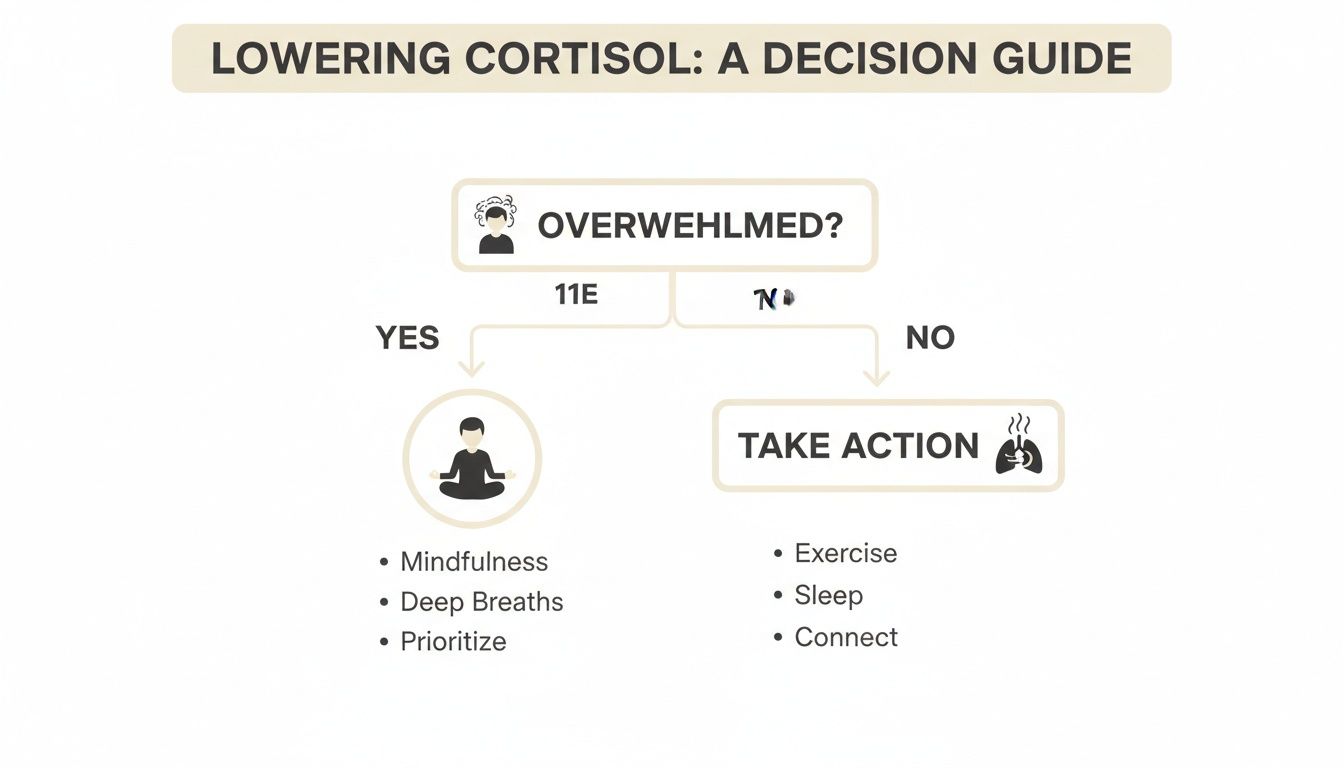
As the graphic shows, the first step is always recognizing how you feel. That awareness is what empowers you to choose a calming action instead of letting the stress run the show.
Another incredibly powerful physical intervention is a splash of cold water. Submerging your face in cold water triggers something called the mammalian dive reflex, a fascinating physiological response that instantly slows your heart rate and redirects blood flow to your vital organs. It’s a biological reset button.
Want to take it a step further? A short, cold shower can have an even more profound effect on lowering cortisol.
The next time you feel that familiar spike of stress, don’t just ride it out. Take one minute for a physiological sigh. Take five minutes for a grounding exercise. Or give yourself 15 minutes with a Mono Moment coloring book. These small, deliberate actions give you back control when you need it most.
For a quick summary of your options when time is short, this table breaks down the fastest-acting techniques.
Immediate Cortisol-Lowering Techniques At a Glance
| Technique | Time Required | How It Works |
|---|---|---|
| Physiological Sigh | 30-60 Seconds | Offloads CO2; stimulates the vagus nerve to calm the nervous system. |
| Box Breathing | 2-5 Minutes | Slows heart rate and creates a calming rhythm for the nervous system. |
| 5-4-3-2-1 Grounding | 3-5 Minutes | Engages the five senses to interrupt anxious thought loops. |
| Cold Water Splash | 30-60 Seconds | Triggers the mammalian dive reflex to slow heart rate and respiration. |
These methods are your first line of defense, designed to give you immediate relief and put you back in the driver's seat.
Finding Creative Calm: How Mindful Coloring Zaps Stress

While a quick breathing exercise is fantastic for hitting the brakes on acute stress, building a small creative habit can offer a much deeper, more lasting calm. There's a real, science-backed reason why getting lost in mindful art-making feels like such a release when your mind is racing.
When you engage your hands and mind in a focused, repetitive task, you’re essentially giving the "fight or flight" center of your brain—the amygdala—a different job. This is the part of your brain that lights up when you're stressed, creating that relentless loop of worry.
By giving it something simple and engaging to focus on, you’re not just distracting yourself. You're actively interrupting the anxiety cycle. It's a gentle, non-verbal form of meditation that soothes your nervous system and provides a genuine escape from the mental noise that fuels overthinking.
The Proof Is in the Science
This isn't just a "nice feeling"—the link between creative expression and stress reduction is something we can actually measure. A fascinating 2016 study looked at participants' cortisol levels before and after they spent time making art. The results were pretty incredible.
After the creative session, cortisol levels dropped significantly. In fact, about 75% of participants experienced a measurable decrease. This is concrete proof that the simple act of creating has a direct, positive impact on your body’s stress chemistry. You can dive into the findings on art-making and cortisol reduction yourself to see just how powerful this effect is.
This is where a tool like the Mono Moment coloring book really shines. It's designed to turn this science into a simple, reliable ritual you can use anytime.
Its secret weapon is intentional simplicity. The intricate monochrome patterns remove the biggest hurdle for a stressed-out mind: decision fatigue. There's no pressure to pick the right colors, coordinate a palette, or worry if it will look "good."
Your only job is to pick up a pen and fill in the spaces. For an overstimulated brain, this structured simplicity is a lifeline. It lets you sidestep perfectionism and drop straight into a state of meditative flow.
It’s about creating a full sensory ritual. The premium, 160gsm bleed-proof paper feels solid and satisfying under your hand, and the smooth glide of a brush pen becomes your single point of focus. It's a key part of the Mono Moment experience.
A Powerful Antidote to Doomscrolling
When we feel overwhelmed, the first instinct is often to grab our phones and scroll. But let's be honest—this usually backfires. The endless stream of information and notifications can actually spike your cortisol, leaving you feeling more agitated than when you started.
Mindful coloring offers a tangible, analog alternative. Just 15 minutes with your Mono Moment coloring book is a complete sensory break from the digital chaos. It’s a structured, screen-free activity that gives your eyes and your brain a much-needed rest from the blue light and information overload that keep us wired.
This deliberate act of unplugging, even for a few minutes, sends a powerful signal to your body that it's safe to power down. It’s an easy, accessible way to lower cortisol and reclaim a sense of control, one soothing pattern at a time. For more tips, check out our article on coloring for stress relief.
Build Long-Term Resilience with a Few Smart Tweaks
Those in-the-moment techniques are your emergency toolkit for when stress boils over. But what about preventing the pot from boiling in the first place? That’s where long-term resilience comes in.
Lasting change isn’t about a dramatic, life-altering overhaul. It’s built on the back of small, almost effortless shifts that compound over time, fundamentally lowering your baseline cortisol levels. Think of it as proactive maintenance for your nervous system. By fine-tuning a few daily habits, you fortify your defenses, making you less reactive and more grounded when life inevitably throws you a curveball.
Rethink Your Daily Rituals
Let's start with two of the most common culprits: caffeine and dehydration.
That 3 PM coffee you rely on to get through the afternoon? It might feel like a lifeline, but it's also a known cortisol-spiker. For many people, this can trigger a late-afternoon wave of anxiety and seriously mess with their sleep. A simple, surprisingly effective rule is no caffeine after 2 PM. This one change can have a massive downstream effect on your ability to wind down in the evening.
Hydration is another one people often overlook. It sounds too simple to be true, but even mild dehydration signals a threat to your body, prompting it to produce more cortisol. Keeping a water bottle on your desk and sipping throughout the day is one of the easiest, most passive ways to help regulate your mood and manage stress.
What about sugar? The relationship here is a bit more complex. Interestingly, a 2023 study found that higher everyday sugar intake was linked to a blunted cortisol response during a stress test. This suggests that a sweet treat might offer a temporary buffer in a moment of crisis.
But let's be clear: this is a short-term patch, not a long-term strategy. For real, sustainable resilience, your best bet is a balanced diet filled with whole foods. This approach keeps your blood sugar, mood, and hormones on a much more even keel.
Engineer a Better Sleep Environment
If you do only one thing to manage your cortisol, make it this: protect your sleep. Sleep is when your body does its most critical hormonal housekeeping. Skimping on it is like robbing your internal repair crew of their tools.
The goal isn't just to be in bed for eight hours; it's to create an environment and a routine that actively tells your body and brain it's time to shut down.
Here’s how to do it:
- Declare Your Bedroom a Tech-Free Zone: The blue light from your phone is a notorious enemy of melatonin, the hormone that tells your body it's time to sleep. Charge your phone somewhere else.
- Turn Down the Thermostat: Your body temperature naturally dips as you fall asleep. A cool room supports this process, leading to deeper, more restorative rest.
- Create a "Power Down" Ritual: This is where something like the Mono Moment coloring book can be a game-changer. Dedicating just 15-20 minutes to a quiet, screen-free, and focused activity is the perfect antidote to a mind that won't stop racing.
This isn't just about killing time; it's a deliberate act of transitioning from the chaos of the day to a state of calm. It breaks the cycle of overthinking and rumination that keeps so many of us staring at the ceiling at 2 AM. By weaving these small habits into your daily life, you're not just coping with stress—you're building a powerful, lasting buffer against it.
A 20-Minute Wind-Down Routine for Overthinkers
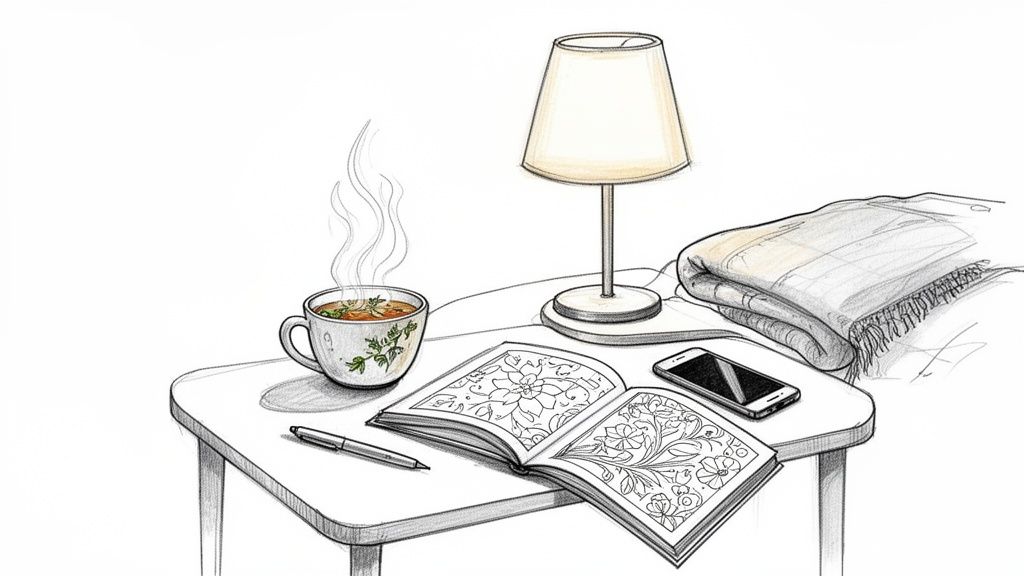
Knowing you should wind down is one thing. Actually getting a racing mind to cooperate is a whole different ball game.
If you’re an overthinker, that transition from a packed day to a quiet night can feel impossible. This is exactly why a simple, structured routine isn’t just a nice idea—it’s your best weapon for getting cortisol in check before your head hits the pillow.
Think of this flexible 20-minute plan as a non-negotiable appointment with yourself. It’s not about doing it perfectly. It's about creating a firm boundary that tells your brain, "We're done for the day." The real goal here is to short-circuit that endless loop of rumination and gently guide your body toward calm.
Setting the Stage for Calm
Let’s start with the most important rule. At least 30 minutes before you even think about this routine, put your phone away. And I don’t mean just putting it face down on the nightstand. If you can, charge it in another room entirely. Those pings, notifications, and that blue light are like a shot of espresso for your stress response, keeping you wired when you need to be winding down.
Next, find something warm and comforting to engage your senses. Brew a cup of herbal tea—chamomile is a classic for a reason, but peppermint or lavender work beautifully too. The ritual itself—the sound of the water, the warmth of the mug, the aroma—is a powerful mindfulness exercise that pulls you out of your head and into the present moment.
The Core of Your Routine: The Mono Moment
Now for the main event. Carve out 15 to 20 minutes for your Mono Moment monochrome coloring book. This is so much more than just a creative outlet; it's a sensory experience designed specifically to quiet the noise in your mind.
Grab a set of high-quality brush pens from our store and tune into the physical sensation of the pen meeting the paper. Notice the smooth glide across the 160gsm bleed-proof paper and the satisfying flow of ink. We intentionally designed the intricate monochrome patterns to remove decision fatigue. For a brain that’s been making choices all day, this is a massive relief.
The point isn't to create a perfect work of art. The point is to get so lost in the simple, repetitive motion of coloring that the to-do lists, the worries, and the "what-ifs" finally lose their grip and fade into the background.
This kind of structured, creative focus is an incredibly effective way to lower cortisol levels fast, right when you need it most. It doesn’t just distract you; it actively calms your amygdala (the brain's alarm system) and nudges you into a state of relaxed focus.
By making this small ritual a consistent part of your evening, you stop hoping for better sleep and start creating the conditions for it, one peaceful line at a time.
Knowing When to Seek Professional Support
Look, all the breathing exercises and mindfulness tricks in the world are fantastic for managing the day-to-day grind. They are powerful tools. But it's just as important to know when those tools aren't enough.
Self-care is your first line of defense, not a cure-all for chronic, overwhelming stress. Reaching out for help isn't giving up; it's a sign that you're taking your health seriously. If you've been trying these techniques and still feel stuck, it’s probably time to talk to a doctor or a mental health professional.
Signs You May Need More Support
Be honest with yourself. Are you noticing patterns that just won't budge, no matter what you do? These are the kinds of red flags that suggest something more is going on, and a professional opinion could make all the difference.
- Persistent Fatigue: I'm not talking about being a little tired. This is that deep, bone-weary exhaustion that a good night's sleep just doesn't touch.
- Unexplained Weight Gain: If you're noticing weight creeping on, especially around your middle, and your diet or exercise habits haven't really changed, it's worth investigating.
- Severe Anxiety or Depression: When your mood starts getting in the way of your work, your relationships, or just your ability to enjoy things, that's a clear signal to get support.
- Constant Brain Fog: We all have off days, but if you're constantly struggling to focus or make simple decisions, that's a sign your system is overloaded.
It’s also fascinating how our resilience isn’t just an individual thing. Our environment and social connections play a massive role. There was a compelling 2013 study that found Greeks dealing with intense economic stress actually had lower long-term cortisol markers than Swedes. Why? The researchers believe it came down to stronger social support networks acting as a natural buffer.
You can dive into the full research on cultural factors and stress yourself—it's a powerful reminder that we don't exist in a vacuum.
This just goes to show how complex our well-being really is. Your path to feeling better is unique, and getting professional guidance is a completely valid and often necessary part of that journey.
Answering Your Top Questions About Cortisol
Let's dive into some of the questions I hear all the time about getting cortisol under control. These are the practical, real-world answers you need to start feeling better, fast.
How Quickly Can I Actually Lower My Cortisol?
You can feel a difference almost instantly. If you're in the middle of a stress spike, a few rounds of the physiological sigh can bring you back down to earth in less than five minutes. It's a powerful and immediate circuit breaker.
For a more settled sense of calm, something like a coloring session with a Mono Moment book can work its magic in about 15 to 30 minutes. You'll notice your shoulders drop and your mind quiet down.
But let's be realistic: tackling chronically high cortisol is a longer game. It's about stacking these positive habits consistently over several weeks to truly reset your nervous system.
Can I Do This Without Medication?
For most of us navigating the pressures of modern life, the answer is a resounding yes. You have an incredible amount of control through your daily habits.
Techniques like targeted breathing, mindfulness, prioritizing sleep, and even simple creative outlets like our coloring books are scientifically-backed ways to manage your body’s stress response naturally.
Important Caveat: If you're feeling completely overwhelmed or suspect a medical issue might be at play (like Cushing's syndrome or adrenal problems), please don't go it alone. That’s the time to loop in a healthcare professional.
Why a One Color Coloring Book, Specifically?
This is a great question because it gets to the heart of why some "relaxing" activities can actually feel stressful. A monochrome book, like the Mono Moment, is engineered to short-circuit the overthinking brain.
By taking color choice completely off the table, it removes a layer of decision-making. You're not worrying about whether teal goes with magenta; you're just focused on the simple, repetitive motion. This helps you slip into a state of "flow" much more easily, which is where the real stress-busting magic happens.
When’s the Best Time of Day to Do This?
Think of it in two ways: immediate relief and long-term prevention.
-
For In-the-Moment Stress: Use breathing exercises whenever you feel that familiar tension creeping in. It’s your emergency brake. A quick five-minute session can stop a stress spiral in its tracks.
-
For a Deeper Reset: I'm a huge advocate for building a 20-minute coloring or mindfulness session with your Mono Moment coloring book into your evening wind-down routine. Lowering cortisol before you get into bed is one of the most powerful things you can do for your sleep quality, which in turn builds your resilience for the next day.
Ready to create a moment of calm in your day? The Mono Moment monochrome coloring book is designed to quiet your mind and lower stress in minutes. Explore our decision-free coloring experience and see for yourself.

The One Color Coloring Book
A single-pen, decision-free coloring book on 160 gsm cream paper — engineered for the wind-down ritual described above.
 Pair it with the 3 Dual Tip Brush Pens — $5 instead of $9.95 in the Book + Pens bundle.